

Padparadscha Sapphire
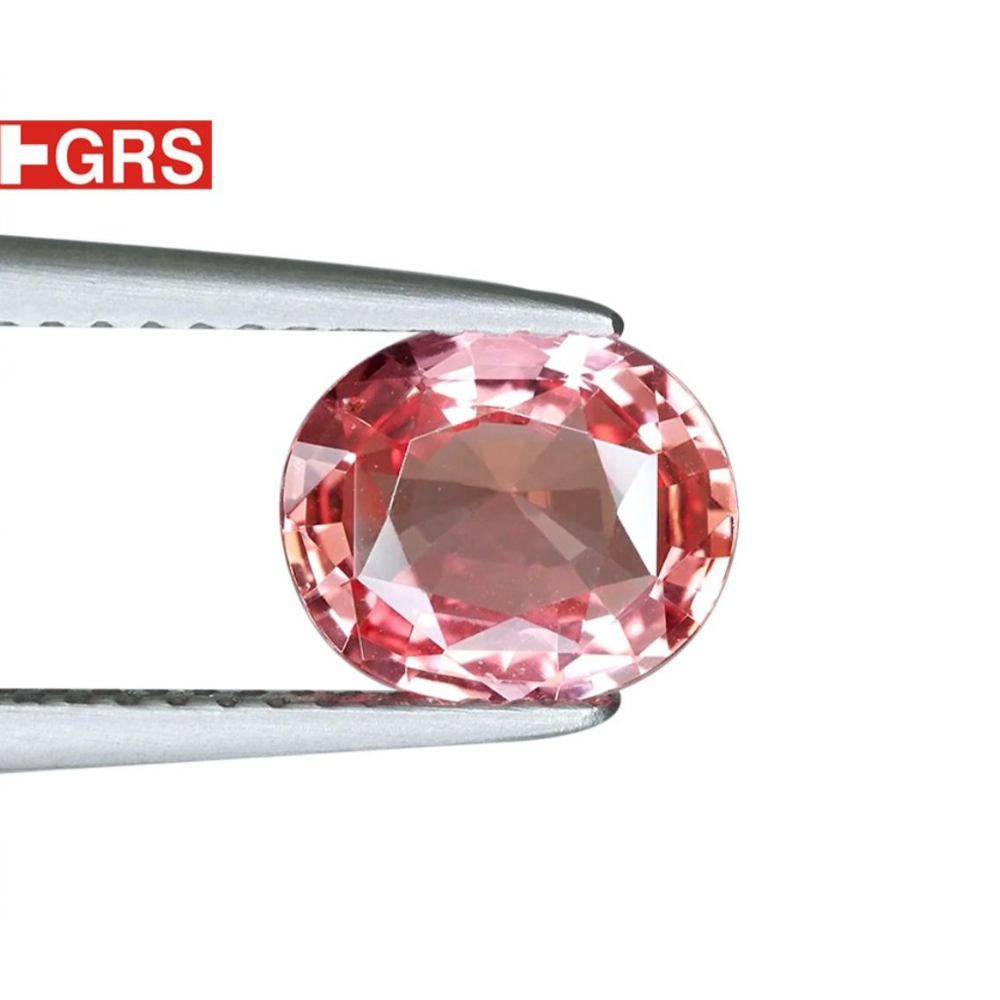
Often regarded as the “holy grail” of gemstones, this rare variety of sapphire is distinguished by its delicate and harmonious blend of pink and orange hues. Its beauty lies in balance — subtle, refined, and exceptionally rare.
The “Sunset” Color
The name originates from the Sinhalese word padmaraga, meaning “lotus flower”, referencing the aquatic blossom native to Sri Lanka.
The perfect balance: A true example must display both pink and orange simultaneously. Gemologists often describe the ideal tone as a marriage between a lotus flower and a sunset.
The science: Unlike blue sapphires, which derive color from iron and titanium, this unique hue results from a precise interaction of chromium (pink) and iron (orange) — a combination that occurs only under rare geological conditions.
Rarity and Origin
This is the rarest variety of sapphire, considered even rarer than fine blue sapphires.
- Sri Lanka: The traditional and most prestigious source
- Other sources: Madagascar and Tanzania
- Accounts for less than 1% of global sapphire production
Value and Pricing
Due to extreme scarcity, these gemstones rank among the most expensive colored stones in the world, often rivaling fine rubies and emeralds.
- Untreated stones are exponentially more valuable than heated ones
- High-quality examples above 2 carats are exceptionally rare
- An unheated stone over 5 carats is considered museum-grade
- Top-tier stones may command $10,000–$30,000+ per carat (2025 market)
True examples are not defined by intensity, but by balance.
Why They Are Unique
Like all sapphires, this gemstone ranks 9 on the Mohs hardness scale, making it exceptionally durable and suitable for everyday wear.
Clarity: Because the colors are often pastel or “salmon” toned, inclusions are more visible than in darker sapphires. Eye-clean stones are therefore highly prized.
Symbolism: Traditionally associated with creativity, vitality, and joy, it is admired for both its emotional resonance and refined beauty.
A Note on Authenticity
Buyers should be cautious of beryllium-diffused sapphires, which are chemically treated to imitate this coloration. While visually appealing, they carry only a fraction of the value of a natural stone.
Certification: Always insist on an independent laboratory report from institutions such as GIA or SSEF to confirm origin, treatment, and authenticity.