

Burmese Pigeon Blood Ruby
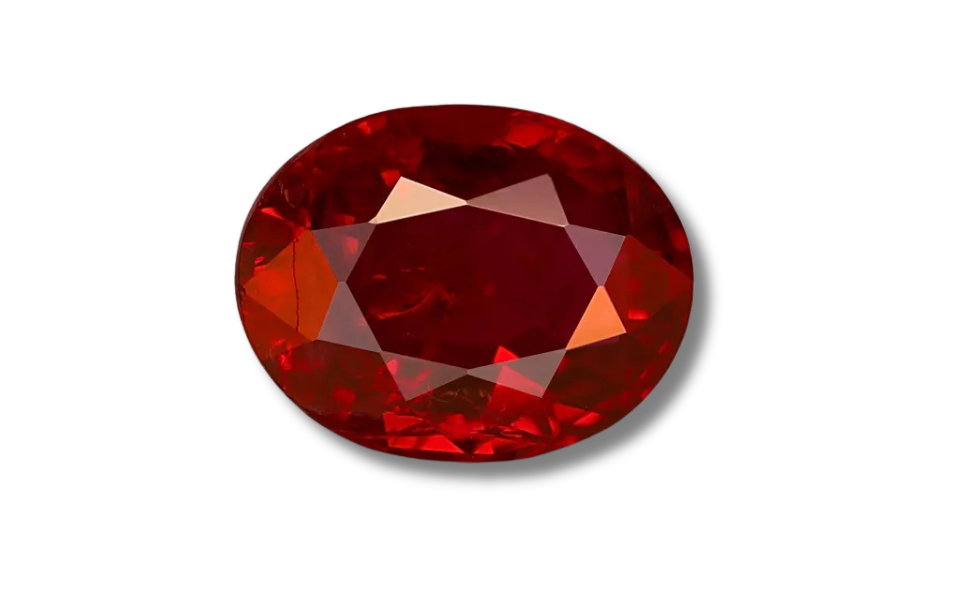
Widely regarded as the gold standard of the ruby world, this classification refers to a specific color and quality grade, not merely geographic origin. Among collectors and experts, it represents the highest benchmark of rarity and beauty.
The “Pigeon Blood” Color Standard
The term is poetic rather than scientific, traditionally describing a vivid, pure red with a very slight blue or purple undertone.
The origin of the term: It is said to reference the color of the first drops of blood from the nose of a freshly killed pigeon — a visual metaphor used by early traders.
The visual effect: Under light, these rubies display a distinctive glowing or neon appearance. They are neither too dark, which would appear dull, nor too light, which would place them outside the ruby category.
The Mogok Connection
While stones of similar color may be found elsewhere, the most valuable and historically important examples originate from the Mogok Valley.
Geology: These stones form in marble-hosted deposits, resulting in exceptionally low iron content.
Fluorescence: The combination of low iron and high chromium produces strong red fluorescence, intensifying the color under natural light.
Rarity and Value
These gemstones are significantly rarer than diamonds of comparable size and are among the most valuable colored stones in the world.
- High-quality stones above 1 carat are difficult to source
- Examples over 5 carats are considered international museum-grade rarities
- A verified origin and color grade can command a 300% or higher market premium
Few gemstones combine color, rarity, and historical prestige at this level.
Identification and Inclusions
Unlike diamonds, natural rubies almost always contain inclusions, which are an expected and accepted feature.
Silk: Fine, needle-like inclusions of rutile are common. In these stones, silk helps scatter light evenly, enhancing the internal glow.
Certification: Because the term is subjective, laboratories such as GRS, SSEF, and GIA apply strict visual and scientific criteria before assigning this designation.
Symbolism and Tradition
Historically, these rubies were believed to possess protective powers. Burmese warriors were said to embed them into their skin, believing the stones rendered them invulnerable in battle.
Today, they remain enduring symbols of passion, power, prestige, and wealth, valued as much for their legacy as for their physical beauty.